If you're a foreigner looking at property in Laos, the question you're actually asking is usually "can I buy that house" or "can I buy that piece of land" - and the honest answer to the second one is no, not really, not ever, regardless of how long you've lived here or who you marry. But that's not the same as saying foreigners can't own real estate in Laos. There are real, legal ways to do it. They're just narrower and more specific than most people expect, and getting them wrong is one of the more expensive mistakes a foreigner can make here.
Here's what the rules actually say, not what a friend-of-a-friend told you at a bar in Vientiane.
The one fact that explains everything else
Nobody owns land in Laos outright. Not foreigners, not Lao citizens, not companies. Under Lao law, land is owned collectively by the national community, with the State acting as administrator on everyone's behalf. What people actually hold - Lao citizens included - is a land-use right, not a freehold title in the Western sense.
That framing matters, because it means the question was never really "can foreigners own land" versus "can Lao citizens own land." It's "who gets a land-use right, and for how long." Lao citizens get theirs indefinitely, inheritable, close enough to ownership for daily purposes. Foreigners don't get that version at all. What foreigners get instead is one of a small number of specific, time-limited, legally defined alternatives.
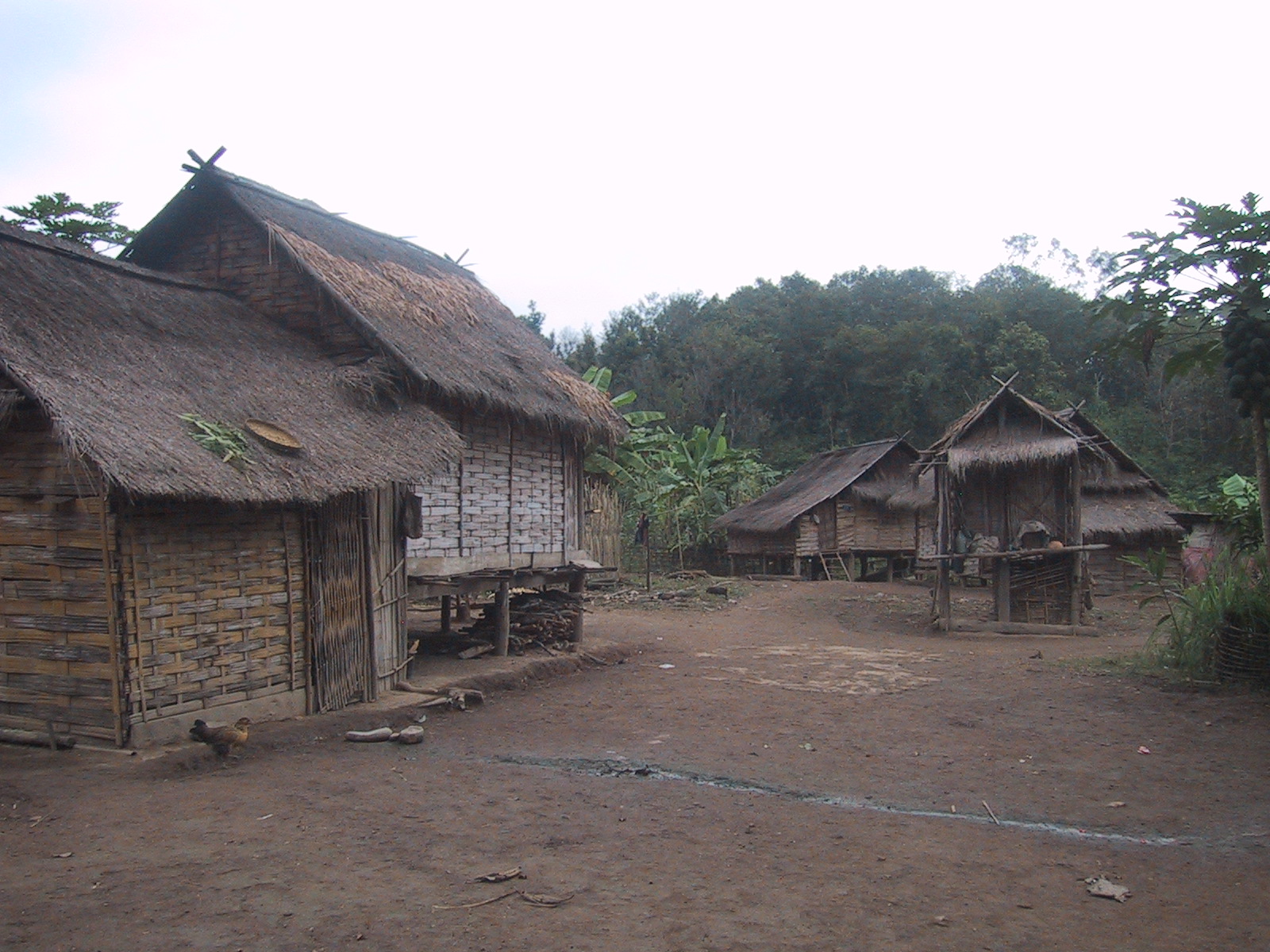
Photo: Basile Morin / Wikimedia Commons (CC BY-SA 4.0) - a village house near Luang Prabang. Even here, the land itself is state-administered; what a Lao household holds is a use right, not freehold title.
What foreigners can actually do
1. Buy a condominium unit outright. This is the cleanest option, and it's relatively new. The amended Law on Land (No. 70/NA, 2020) opened the door, and the Decree on Condominiums (No. 352/GOV), which took effect 1 February 2024, spelled out how it actually works. Since then, a foreigner can own a condominium unit in their own name, with no residency or work-permit requirement attached. The important catch: the building has to genuinely be registered as a condominium under the decree. A developer calling something a "condo" in its marketing doesn't make it one legally - verify the registration, not the brochure.
2. Lease land long-term and own the structure on it. If you want a house or villa rather than an apartment, the standard route is: lease the land, own the building on it outright. As an individual, you can lease land from a private Lao citizen for up to 20 years, or from the State directly for up to 30 years. Register as a foreign investor and those ceilings extend - up to 30 years from a citizen, up to 50 years from the State, occasionally more inside a Special Economic Zone. Leases are frequently advertised as "renewable," but legally, renewal is discretionary and requires new approval - it is not automatic, and you shouldn't budget as if it were.
3. Set up a Lao company to hold land rights. For a bigger project - not a personal home - a locally registered company can hold land-use rights, lease land, and build. The catch is control: a company needs to be majority Lao-owned (more than 50 percent) for it to hold land rights the way a Lao entity can. A foreign-majority company can still operate a business in Laos, but it doesn't get the same standing to hold land. This route is really built for investors and developers, not for someone who wants to buy a house to live in.
4. The high-capital exception. If you're bringing in registered foreign investment of $500,000 or more, you can qualify to hold land-use rights directly for up to 800 square metres, for housing or office use. It's a real pathway, but it's not the one most people reading this will use.
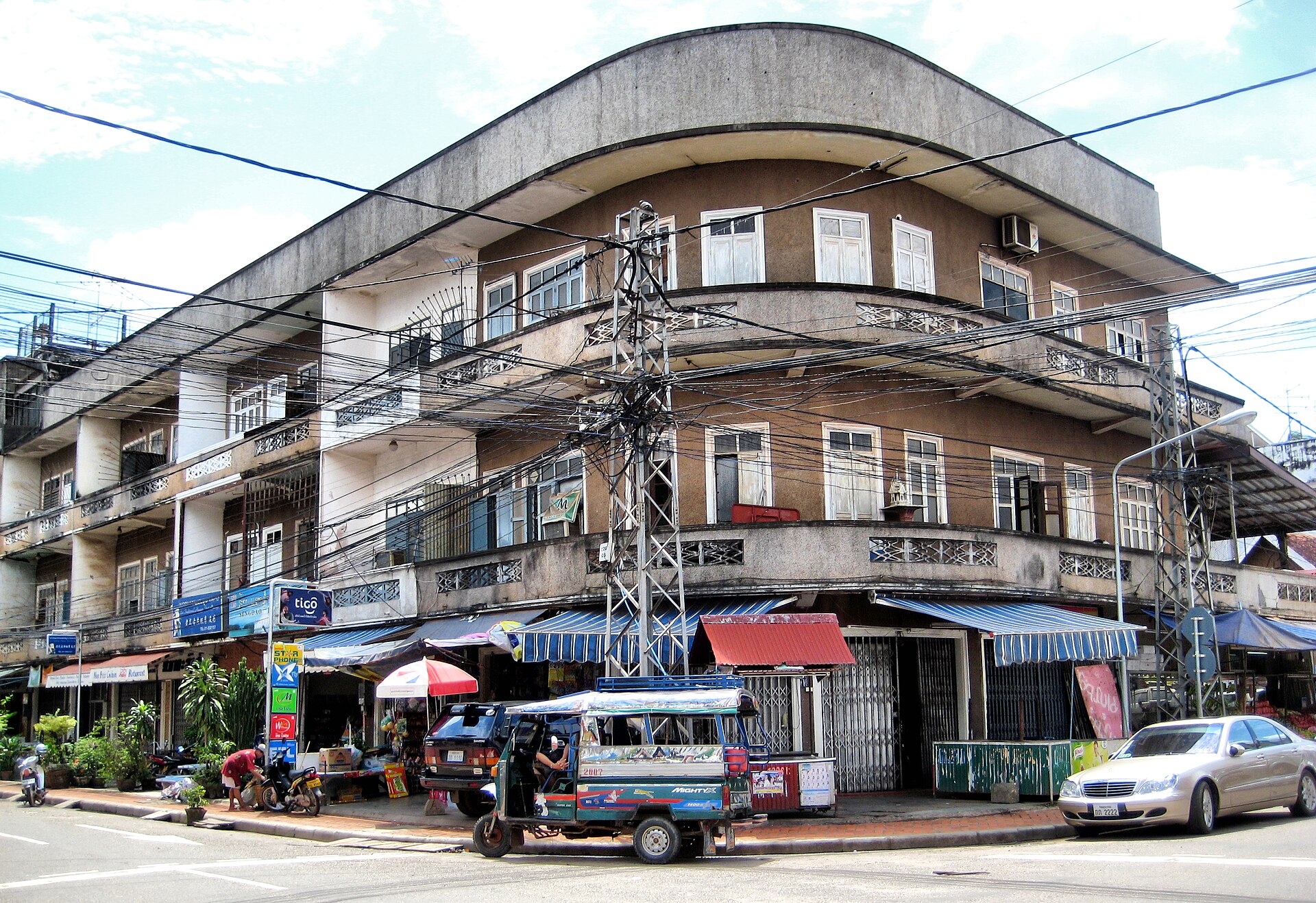
Photo: Francisco Anzola / Wikimedia Commons (CC BY 2.0) - an apartment building in Vientiane. Buying a specific unit in a genuinely registered condominium development is the most direct ownership route open to foreigners.
What does not work, no matter how it's pitched to you
Marrying a Lao citizen doesn't grant you ownership. Property acquired during a marriage may count as marital property under family law, which offers some protection, but the land itself is registered in your spouse's name, not jointly, and not in yours. In a divorce, or if your spouse dies without a will that accounts for you clearly, your position is genuinely precarious.
Nominee arrangements are illegal, full stop. Having a Lao friend, business partner, or spouse hold land "for you," on a private understanding that it's really yours, is not a grey area - it's unenforceable in a Lao court. If the nominee sells the land, dies, or simply decides not to honour the arrangement, you have no legally protected claim to fall back on. This is, by a wide margin, the most common and most expensive mistake foreigners make with Lao property, and it's usually sold to newcomers as a normal, common workaround. It is not a legal one.
Comparing the real options
| Route | What you actually get | Typical maximum duration | Best for |
|---|---|---|---|
| Condominium purchase | Outright ownership of the unit, in your name | Indefinite (it's real ownership) | Anyone wanting a straightforward, lower-risk purchase |
| Lease from a private citizen | Land-use right + outright ownership of the structure you build | Up to 20 years (individual) | A house or villa for personal use |
| Lease from the State | Land-use right + ownership of the structure | Up to 30 years (individual), up to 50 as a registered investor | Larger residential or commercial projects |
| Lao-majority company | Company-held land rights | Time-limited, tied to the company's registration | Investors and developers, not personal homes |
| $500k+ foreign investment | Direct land-use right, up to 800 sqm | Time-limited | High-net-worth individual buyers |
| Nominee / "for you" arrangement | Nothing enforceable | N/A | Nobody - don't do this |
Where foreigners actually buy
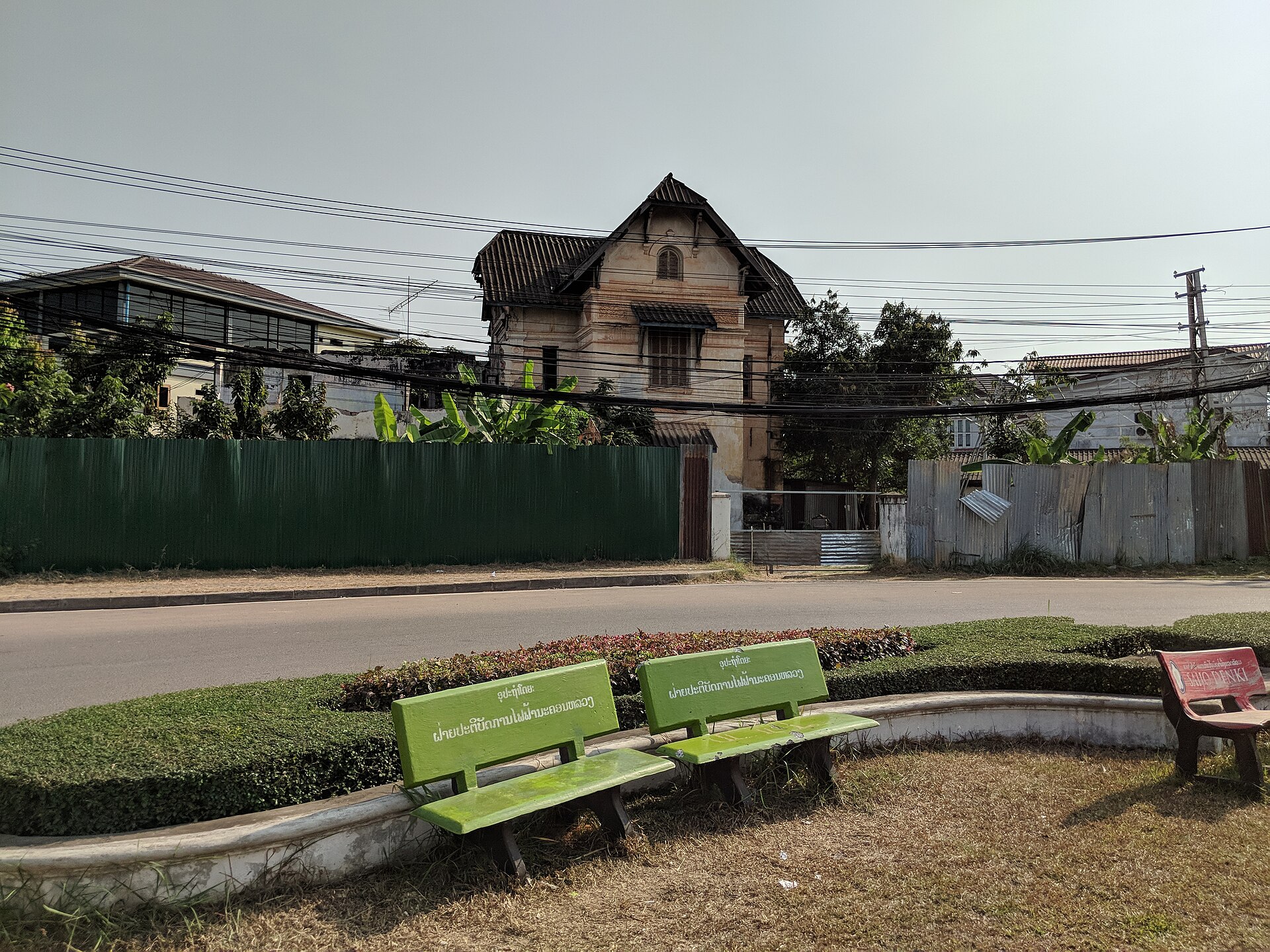
In Vientiane, foreign buyers cluster in Sisattanak and Chanthabouly - both close to embassies and international schools, both with the newer condominium developments that fall cleanly under the 2024 decree. In Luang Prabang, it's the heritage core, where French colonial-era houses like the one at the top of this article change hands through the lease-plus-structure route rather than outright land sale, since much of the old town sits on land with its own heritage-protection rules layered on top of the standard ones.
A short due-diligence checklist
- Confirm the condominium registration directly, not through the sales brochure. Ask which decree the building is registered under and ask to see the paperwork, or have a lawyer confirm it.
- Get lease terms in writing, with the renewal process spelled out, not just a verbal assurance that it's "basically automatic." It isn't.
- Never rely on a nominee structure, no matter how many other foreigners you're told have done it successfully. "Everyone does it" is not the same as "it holds up in court."
- Use a local, licensed lawyer for anything beyond a condo unit. Land leases, company structures, and the $500k investment route all involve paperwork worth getting independently checked, not just trusting the other side's documents.
- Separate the land question from the building question in your head. You may genuinely be able to own the house. You are not going to own the ground under it. Structuring the deal around that distinction from day one avoids a lot of confusion later.
The honest bottom line
If you want a straightforward purchase with real ownership in your name, a registered condominium unit is the option built for you, and it's the one that's gotten meaningfully easier since 2024. If you want a standalone house, you can genuinely own the building, but you're leasing the ground beneath it on a clock that runs out - plan around that reality rather than around what a lease agreement's "renewable" clause implies. And if anyone offers you a way around all of this through marriage or a nominee arrangement, that's not a shortcut - it's the version of this story that ends up in a lawyer's inbox.
A few common questions
Can a foreigner buy land in Laos at all, under any circumstances?
Not in the sense of freehold ownership - nobody can, including Lao citizens. The closest a foreigner can get is a long-term, time-limited land-use lease, or direct land-use rights under the $500,000+ investment threshold.
Is buying a condo actually safe for foreigners in Laos?
It's the most legally direct route available, as long as the specific building is genuinely registered as a condominium under Decree No. 352/GOV (2024) - confirm that registration independently rather than taking a developer's word for it.
Does marrying a Lao citizen change anything?
Not for land ownership. Property bought during the marriage may be treated as marital property, but the land registration stays in your spouse's name, not yours or jointly held.
What happens to a house I own if my land lease isn't renewed?
This is genuinely one of the bigger open risks of the lease route, since renewal is discretionary rather than automatic. It's a real reason to get the lease terms - and what happens at expiry - reviewed by a lawyer before you sign, not after.
Looking for property in Laos, or have a place to list? Browse real estate on ul.la - houses, land leases, and apartments from across the country.